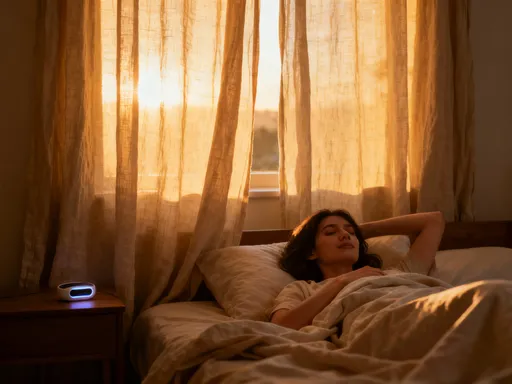
What if Your Dating App Could Help You Sleep Better?
You swipe, match, chat—then lie awake, heart racing, mind buzzing. Sound familiar? Late-night dating app use leaves many of us overstimulated and exhausted. But what if the same technology stressing you out could actually help you unwind? Emerging sleep-focused features in social apps are redefining digital connection—not just who you meet, but how well you rest. This isn’t sci-fi. It’s a quiet shift in how we design tech for real human needs: balance, calm, and self-care. And if you’ve ever tossed and turned after a late-night conversation with a potential date, wondering if you said too much or not enough, this is for you. You’re not imagining it—your phone might be keeping you awake in more ways than one.
The Hidden Cost of Late-Night Swiping
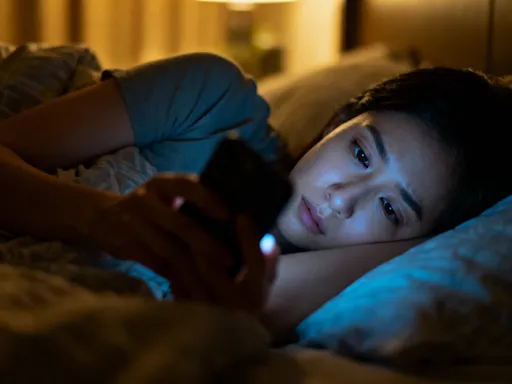
Let’s be honest—how many times have you told yourself, ‘Just five more minutes,’ only to look up and realize an hour has slipped away? You’re not alone. So many of us turn to dating apps at night because we’re lonely, curious, or just trying to wind down after a long day. But instead of relaxing, we end up more alert, more anxious, and way more wired. The truth is, swiping before bed might feel comforting in the moment, but it often leaves us paying the price the next morning with groggy eyes, a foggy brain, and a mood that’s just… off.
It’s not just about screen time. It’s about what’s happening behind that screen. Every match, every message, every little buzz sends a tiny jolt through your nervous system. Your brain lights up with possibility—maybe this is the one, maybe this chat will turn into something real. That emotional rollercoaster, even if it’s subtle, keeps your mind engaged when it should be slowing down. And let’s not forget the blue light. We’ve all heard about it, but it’s worth repeating: that cool, bright glow from your phone suppresses melatonin, the hormone that tells your body it’s time to sleep. So while you’re hoping for connection, your body is getting signals to stay awake.
Then there’s the mental clutter. Have you ever replayed a message in your head, wondering if it sounded too eager or too cold? Or stayed up debating whether to respond right away or play it cool? That kind of overthinking is exhausting. It’s not just your eyes that are tired—it’s your emotional energy that’s drained. And when you finally do close the app, your brain doesn’t just switch off. It keeps spinning, processing what was said, what wasn’t, and what might come next. No wonder so many of us wake up feeling like we didn’t really rest at all.
When Connection Keeps You Awake
Here’s the irony: we use dating apps to find closeness, but sometimes they leave us feeling more isolated than ever—especially at 2 a.m. The very thing we’re hoping will bring us comfort can actually heighten our sense of unease. That’s because our brains aren’t built to handle constant emotional stimulation right before bed. When you’re flirting, matching, or waiting for a reply, your body releases dopamine—the feel-good chemical that rewards anticipation. It’s the same rush you get from a text from an old friend or a surprise compliment. But when that rush comes late at night, it’s like drinking espresso before trying to meditate.
And dopamine isn’t the only player. There’s also cortisol, the stress hormone, which spikes when we feel uncertain or rejected. Maybe you matched with someone amazing, but they haven’t replied in two days. Or worse—you get a message that’s polite but distant, leaving you wondering what went wrong. Even small interactions can trigger big emotional reactions because we’re not just swiping for dates—we’re searching for validation, for belonging, for that spark that makes us feel seen. When those needs go unmet, especially right before sleep, it can leave us feeling vulnerable and restless.
Think about it: when was the last time you had a deep, restful night of sleep right after an intense conversation on a dating app? Chances are, it didn’t happen. Your mind was still racing, your emotions still stirred. That’s because emotional arousal—whether positive or negative—interferes with the natural process of winding down. Your brain needs time to transition from ‘engaged’ to ‘at rest,’ and constant digital interaction short-circuits that process. It’s like trying to stop a speeding car by gently tapping the brakes. You need more than a light touch—you need space, silence, and time.
The good news? You don’t have to choose between connection and calm. Technology is starting to catch up with our real human needs. And that brings us to a quiet but powerful shift happening behind the scenes—one that could change the way we use these apps for the better.
The Rise of Sleep-Smart Dating Features
Imagine opening your dating app and instead of a flood of new matches, you see a gentle message: ‘It’s getting late. How about a cup of tea and an early night?’ That might sound too good to be true, but features like this are already appearing on some platforms. They’re part of a growing movement called ‘sleep-smart design’—a way of building technology that respects your body’s natural rhythms instead of fighting them. These aren’t flashy updates or viral features. They’re subtle, thoughtful changes that say, ‘We care about your well-being, not just your screen time.’
One of the most helpful tools is the bedtime reminder. It works like a digital nudge, letting you know it’s time to log off—say, between 10 p.m. and 11 p.m., depending on your habits. Some apps even let you set a ‘do not disturb’ mode for overnight hours, so you won’t get pinged by a new match at 2 a.m. That might not sound like a big deal, but think about how many times you’ve woken up to a notification and felt compelled to check it. Now imagine sleeping through the night, undisturbed, because the app is working for you, not against you.
Another quiet but powerful change is delayed messaging. Instead of sending your message the moment you hit ‘send,’ some platforms now offer an option to deliver it in the morning. Why does this matter? Because it breaks the cycle of late-night conversations that spiral into emotional overload. You can still express yourself, but the timing protects your rest. It’s like putting a letter in the mail instead of knocking on someone’s door at midnight. Thoughtful. Considerate. Human.
And it’s not just about turning things off. Some apps are starting to integrate calming content—short breathing exercises, soothing messages, or even soft background sounds—to help you transition from social mode to sleep mode. These aren’t gimmicks. They’re small acts of care built into the design. They recognize that you’re not just a user—you’re a person with needs, rhythms, and limits. And when tech starts honoring that, it becomes more than a tool. It becomes a partner in your well-being.
How Tech Can Promote Emotional Wind-Down
Let’s go a step further. What if your app didn’t just stop bothering you at night—but actually helped you relax? That’s the promise of emotional wind-down features. These are gentle prompts that guide you from the buzz of connection to the peace of rest. Picture this: after an hour of chatting, you see a soft message appear: ‘You’ve been active tonight. How about a moment to breathe, reflect, and let go?’ It’s not pushy. It’s not demanding. It’s like a friend gently reminding you to take care of yourself.
Some platforms are experimenting with mood check-ins at the end of a session. You might be asked, ‘How are you feeling right now?’ with options like ‘excited,’ ‘hopeful,’ ‘curious,’ or ‘a little drained.’ Just answering that question can create a moment of awareness. It pulls you out of autopilot and helps you tune in to your emotional state. And if you pick something like ‘overwhelmed,’ the app might suggest closing for the night and trying again tomorrow with fresh energy.
Others are incorporating mindfulness prompts. Imagine seeing a two-minute breathing exercise pop up: ‘Breathe in for four counts, hold for four, exhale for six. Let your shoulders drop. You’re doing great.’ It’s simple, but it works. These micro-moments of pause help reset your nervous system. They signal to your brain that it’s okay to slow down, to release the tension, to let go of the ‘what ifs’ and just be.
And here’s a beautiful twist—some apps are adding gratitude prompts. Before you log off, you might be asked, ‘What’s one thing you’re grateful for from tonight’s conversations?’ Maybe it’s a kind message, a shared laugh, or just the feeling of being seen. Naming that moment shifts your focus from lack to abundance. It ends the night on a positive note, not a restless one. Over time, this kind of design doesn’t just improve sleep—it improves your relationship with technology itself. It turns the app from a source of stress into a space of care.
Building Boundaries That Protect Your Rest
Here’s the truth: no matter how thoughtful an app becomes, you still hold the power. You get to decide how and when you use it. And that’s where boundaries come in—not as restrictions, but as acts of love for yourself. Think of them like the bedtime routine you might have had as a kid: brushing your teeth, reading a book, turning off the lights. Those rituals told your body it was time to rest. Now, you can create a digital version of that.
Start by setting a ‘no-swipe’ window. Maybe it’s 9 p.m. to 7 a.m. Maybe it’s two hours before bed. Whatever works for your schedule, make it non-negotiable. You wouldn’t eat a heavy meal right before sleep—why flood your mind with emotional input? Use your phone’s screen-time tools to set app limits. You can even schedule downtime, so the app literally won’t open during your rest hours. At first, it might feel strange. You might miss a message or two. But over time, you’ll start to notice something beautiful: you’re sleeping better, waking up clearer, and showing up more fully in your life.
Next, replace the habit with something nourishing. Instead of scrolling, try a short walk, a warm drink, or journaling for five minutes. Write down three things you’re looking forward to tomorrow. Or list a few qualities you value in a partner—not to obsess over, but to reconnect with your own truth. These small shifts don’t just protect your sleep—they deepen your self-awareness. You start to notice what truly fulfills you, beyond the temporary high of a new match.
And if you’re worried about missing out, remember this: the right person won’t disappear because you logged off at a reasonable hour. In fact, they’ll appreciate someone who values rest, balance, and self-respect. Real connection isn’t built in the middle of the night. It grows in the light of day, when both people are present, grounded, and well-rested. So protect your peace. Your future self—and your future relationship—will thank you.
Sleep as an Act of Self-Respect
Sleep isn’t lazy. It’s not giving up on love. It’s not a sign that you’re not trying hard enough. Sleep is an act of self-respect. It’s saying, ‘I matter. My well-being matters. My energy, my mood, my health—they all matter.’ And when you prioritize rest, you’re not stepping away from connection—you’re preparing for better, deeper, more authentic connection.
Think about the last time you were truly well-rested. How did you show up in the world? Chances are, you were kinder, more patient, more present. You listened better. You smiled more easily. You didn’t take small things personally. That’s the power of sleep. It doesn’t just repair your body—it restores your emotional resilience. And that makes you not just a better partner, but a better friend, a better parent, a better version of yourself.
When you’re exhausted, it’s so much harder to be open, to trust, to give and receive love. You might misread signals, react too quickly, or shut down when things get vulnerable. But when you’re well-rested, you have the space to be thoughtful, to be curious, to be brave in love. You’re not searching for someone to complete you—you’re choosing someone to walk beside you, as a whole person.
So the next time you feel guilty for logging off early, remind yourself: you’re not failing at dating. You’re succeeding at self-care. And that’s one of the most attractive qualities anyone can have. Because when you care for yourself, you teach others how to care for you too.
Designing a Tech Life That Works for You
The future of technology shouldn’t be about how many notifications we can handle or how fast we can respond. It should be about how well we live. And that means choosing tools—and habits—that support our health, our happiness, and our humanity. The best tech doesn’t demand our attention. It respects our time, our energy, and our need for rest.
So take a moment to ask yourself: does your current dating app help you feel calm and centered, or does it leave you tense and drained? Do its features support your well-being, or do they pull you into endless cycles of excitement and anxiety? You don’t have to accept whatever design choices a company makes. You can vote with your attention. Choose platforms that honor your boundaries. Celebrate the ones that remind you to breathe, to rest, to be kind to yourself.
And remember, you’re not just a user. You’re a person with dreams, needs, and a life that extends far beyond your screen. The right love won’t come from sacrificing your sleep. It will come from showing up as your best self—clear, grounded, and full of quiet confidence. And that starts with a single choice: to rest well, tonight and every night.
Imagine a world where technology doesn’t leave you exhausted, but helps you feel more like yourself. Where connection doesn’t cost you your peace, but deepens it. That world is already beginning. And it starts with you—choosing rest, choosing balance, and choosing a life where love and calm coexist. You deserve both. And now, more than ever, the tools are here to help you have them.