Beyond Tracking: How Screen Time Apps Helped Me Reclaim My Weekends
You know that feeling—Saturday morning starts with good intentions, but by noon, you're still scrolling, half-watching videos while your coffee goes cold. I used to lose entire weekends to mindless screen use without even realizing it. Then I tried screen time apps not just to count minutes, but to understand my rhythms. They didn’t shame me—they showed me patterns, helped me reset, and slowly, my weekends began to feel like mine again. This is how that happened.
The Weekend Drift: When Free Time Slips Away
Remember how weekends used to feel when you were a kid? Endless. Full of possibility. You’d wake up knowing you had time—real time—to play, explore, or just be. Now, as an adult, especially as someone juggling family, chores, and a thousand mental to-do lists, weekends can feel like they vanish before they even begin. And here’s the strange part: we’re not exactly busy. We’re not running errands or folding laundry the whole time. So where does it go?
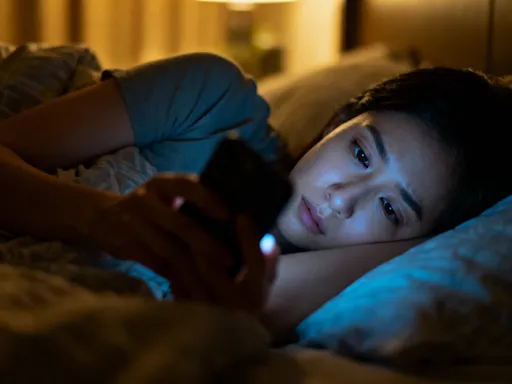
For me, it was my phone. Not all at once, but in tiny, invisible sips. Ten minutes here checking messages. Twenty there watching a video while waiting for the oven to preheat. Another thirty scrolling through photos from people I haven’t seen in years. It wasn’t one big block of time—it was a thousand little leaks. And by Sunday night, I’d look up and realize I hadn’t really done anything. No long walk. No time reading. No real connection with my kids or my partner. Just a fog of digital noise and a vague sense of guilt.
I started calling it 'weekend drift'—that slow, quiet slide into screen-based autopilot. You don’t decide to spend four hours on your phone. You just never decide not to. The screen is there. It’s easy. It fills the silence. It soothes the boredom. But it doesn’t refresh. And that’s the irony: we turn to our devices to relax, but so often, we end up more drained than when we started. I wasn’t angry at my phone. I wasn’t blaming technology. I just wanted my time back. I wanted my weekends to feel like a gift, not a glitch.
Waking Up to Patterns: What My Screen Time Data Revealed
The turning point came on a Sunday evening. I was lying on the couch, one hand holding my phone, the other resting on a half-finished cup of tea. My daughter walked in and asked, 'Mom, are you coming to watch my dance practice?' I looked at the clock. It was 5:45. Her practice started at 5:30. I hadn’t even realized how late it was. That moment hit me like a splash of cold water. I didn’t just lose time—I wasn’t even aware I was losing it.
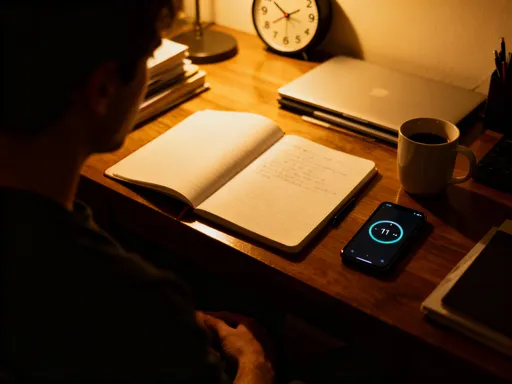
The next morning, I downloaded a screen time tracking app. Not because I wanted to punish myself. Not because I thought I was addicted. But because I was curious. I wanted to see, in real numbers, where my attention was going. And what I found surprised me.
It wasn’t social media alone that was eating my time. Yes, Instagram and YouTube were up there, but so were weather apps, news sites, and even my calendar—things I told myself were 'productive.' The real story wasn’t in the total hours—it was in the patterns. I saw spikes every evening between 7 and 9 PM. That’s when I’d zone out after dinner, scrolling while my family watched TV. I noticed I reached for my phone within two minutes of waking up. And I’d open and close certain apps—like games or messaging—dozens of times a day, often without even remembering why.
The data didn’t make me feel guilty. It made me feel seen. It showed me that my phone wasn’t the problem—it was a mirror. It reflected my boredom, my need for connection, my desire to escape the quiet moments of parenting or housework. I wasn’t lazy. I wasn’t weak-willed. I was just using the easiest tool at hand to cope with the small stresses of daily life. And once I understood that, I could start making different choices—not out of shame, but out of care.
Redesigning My Digital Environment for Calm
Here’s what I’ve learned: willpower is overrated. You can’t just 'try harder' to put your phone down. But you can design your environment so that the right choice is the easy one. That’s when I stopped fighting myself and started reorganizing my phone.
The first thing I did was turn off every notification that wasn’t essential. No more dings for sales, app updates, or random 'You haven’t logged in!' messages. That constant pinging was like having a needy roommate whispering in my ear all day. Once the noise stopped, I noticed how much more peaceful my mind felt. I was no longer reacting to every alert—I was choosing when to check in.
Next, I moved the most distracting apps—games, social media, shopping sites—off my home screen. I put them in a folder labeled 'Time Sinks' and tucked it on the second page of my phone. Out of sight, out of mind. Now, if I wanted to open Instagram, I had to make a conscious decision to go find it. And most of the time? I didn’t bother. That small extra step made a huge difference.
I also set gentle app limits. Not strict bans—those just made me resentful. Instead, I gave myself 30 minutes a day for social media. When the timer went off, the app would fade and say, 'Time to take a break?' It wasn’t a punishment. It was a nudge. A reminder that I had other things I said I wanted to do. And here’s the thing: I didn’t always stick to it. But the alert made me pause. And in that pause, I could ask myself, 'Do I really want to keep scrolling, or is there something better I could be doing right now?'
These changes didn’t turn me into a digital monk. But they turned my phone from a distraction machine into a tool I could actually use—on my terms.
Building New Routines: Replacing Scroll Time with Real Time
Here’s a truth no one talks about: when you stop doing something, you have to replace it with something else. Otherwise, that empty space fills right back up with the old habit. So I didn’t just cut back on screen time—I built new weekend routines that felt good, meaningful, and within reach.
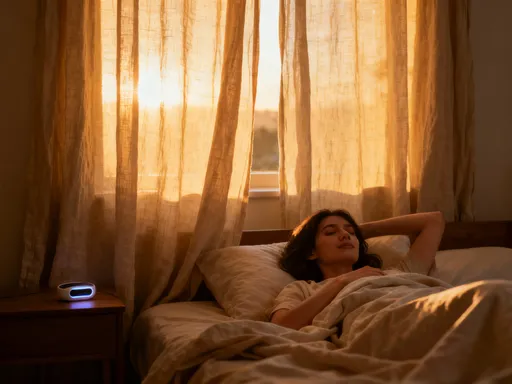
Mornings used to start with me lying in bed, scrolling before I even got up. Now, I try to leave my phone in another room overnight. When I wake up, I stretch, drink a glass of water, and step outside for five minutes—even if it’s just to feel the air and listen to the birds. That small ritual grounds me. It tells my brain, 'This day belongs to you, not your screen.'
On Saturdays, I started a new tradition: family breakfast together, no phones at the table. We talk, we laugh, we plan the day. Sometimes the kids tell wild made-up stories. Sometimes we just sit in comfortable silence. And afterward, instead of handing out screens as pacifiers, we go for a walk. It doesn’t have to be long—just 20 minutes around the block. But those walks have become some of our most connected moments. We spot interesting flowers, talk about school, or just enjoy being outside.
I also started cooking one new recipe each weekend. Not fancy, not time-consuming—just something different. And I invite the kids to help. My 10-year-old loves cracking eggs. My 7-year-old measures ingredients like she’s a scientist. We play music, we get messy, and we end up with something we made together. That time in the kitchen used to be when I’d scroll on my phone while waiting for water to boil. Now it’s a moment of presence.
The screen time app even helped me spot 'gap moments'—those little pockets of time that used to vanish into mindless scrolling. Waiting for the laundry? I keep a book in the basket now. Sitting in the car before practice? I close my eyes and breathe. These tiny shifts added up. And slowly, my weekends stopped feeling empty and started feeling full.
The Ripple Effect: How My Moods and Relationships Shifted
You’d think the biggest change would be how much more I got done. But honestly? The real shift was emotional. I started noticing I was lighter. Less frazzled. More patient. I wasn’t snapping at my kids over small things. I wasn’t zoning out during conversations. I was there.
One Saturday, my daughter handed me a drawing she made. In it, we were both smiling, holding hands, and my phone was in a trash can. I laughed—but then I teared up. She didn’t say anything. She didn’t have to. It was clear she’d noticed the difference. And so had my husband. One evening, he said, 'You seem more present lately. Like you’re really listening.' That meant more than any productivity hack ever could.
Our dinners became longer, richer. We’d talk about dreams, fears, funny memories. We’d play board games. We’d just be. And because I wasn’t mentally elsewhere—checking messages or scrolling—I could actually enjoy it. I started sleeping better too. Less blue light before bed, less mental clutter. My mood stabilized. I felt more in control—not of my phone, but of my life.
The technology didn’t fix my relationships. But by giving me back my attention, it gave me back the ability to connect. And that’s something no app can measure, but every moment together reminds me of.
Flexibility Over Perfection: Embracing Realistic Balance
I won’t pretend it’s been perfect. There are still weekends when the rain keeps us indoors, and the kids are restless, and I end up on my phone more than I’d like. There are stressful weeks when I use scrolling as a way to decompress. And you know what? That’s okay.
The goal was never to eliminate screen time. It was to make it intentional. To stop letting it happen to me and start deciding when—and how—I want to engage with it. The app helps me reset. On Monday mornings, I look at the data not to judge myself, but to understand. If my weekend was heavy on screens, I ask: was I tired? Stressed? Bored? What was I really seeking?
Sometimes, the answer is simple: I needed a break. And that’s valid. Other times, I realize I was avoiding something—like planning a difficult conversation or starting a project. The app doesn’t shame me. It helps me reflect. And that reflection is where real change happens.
I’ve also learned to celebrate small wins. Like the Saturday when I left my phone in the car while we picnicked at the park. Or the Sunday when I finished a novel I’d been meaning to read for months. These moments don’t erase the heavier days, but they remind me what’s possible. And they keep me coming back to the intention: to live with more awareness, more presence, more joy.
A Life in Better Rhythm: What I’ve Gained Beyond Time
Reclaiming my weekends didn’t just give me back hours. It gave me back a sense of self. I feel more like me again. Not the version of me who’s always distracted, always half-listening, always planning the next task. But the version who can sit still. Who can watch a sunset without reaching for her phone. Who can listen to her child’s long, winding story without checking the time.
The screen time app didn’t change my life by locking me out of my phone. It changed my life by helping me see where I was giving my time—and where I wanted to give it instead. It didn’t add more hours to the day. It helped me use the ones I already had in a way that truly matters.
Now, when I look back on a weekend, I remember moments, not minutes. I remember my son teaching me how to skip stones. I remember laughing so hard at dinner I spilled my drink. I remember finishing a puzzle with my daughter, piece by piece, in quiet companionship. These are the things that make life rich. These are the things that stay with you.
Technology will always be part of our lives. But it doesn’t have to run them. When used with care and awareness, it can actually help us step away from the noise and back into what matters. It can help us reclaim our time, our attention, and our joy. And if that means a few less videos watched but a few more sunsets truly seen? I’ll take it every time.