From Tracked to Transformed: How Screen Time Awareness Changed My Daily Rhythm
We’ve all been there—reaching for the phone the moment we wake up, only to look up an hour later with nothing done. I used to feel constantly busy yet unproductive, emotionally drained from endless scrolling. It wasn’t until I started truly *seeing* my screen habits—not just counting minutes, but understanding *how* I used them—that everything shifted. This is not about strict limits or digital punishment. It’s about clarity, control, and reclaiming your attention to live more intentionally. And honestly? It changed my life in ways I never expected—not just how I use my phone, but how I show up for my family, my work, and myself.
The Wake-Up Call: When My Phone Stopped Serving Me
It started with a moment that still makes me cringe when I think about it. I was sitting at the kitchen table with my daughter, who was excitedly telling me about her drawing—a colorful sun with glitter glue and a rainbow that wrapped around the page like a hug. I remember nodding along, smiling, but my hand was already reaching for my phone, which had just buzzed with a message. Just a quick glance, I told myself. But that quick glance turned into checking email, then scrolling through social media, then watching a short video that led to another, and another. When I finally looked up, she was quiet, her crayon hovering over the paper, eyes down. “You’re not really listening,” she said softly. And she was right. That moment cracked something open in me. It wasn’t the first time I’d been distracted, but it was the first time I truly saw how my phone was stealing my presence.
Before that, I thought I had it under control. I wasn’t addicted, I told myself. I was just staying informed, connected, efficient. But the truth was, I was checking my phone first thing in the morning, during breakfast, while folding laundry, in the car line at school, right before bed. I was always half-listening, half-watching, half-doing. My mind felt scattered, like I was trying to run five different programs at once. I was tired all the time, not from lack of sleep, but from mental exhaustion. And the worst part? I felt like I was missing my own life. The little moments—the laughter at dinner, the quiet hug after a long day, the way the light hits the trees in the late afternoon—were slipping by while I stared at a screen. I wasn’t living; I was reacting. Reacting to notifications, to messages, to the endless scroll. My phone, which was supposed to make life easier, had become a source of stress, guilt, and distance.
That drawing moment became my wake-up call. I realized I didn’t need more time—I needed more presence. And to get that, I had to understand what was really happening with my screen use. Not just how much, but why. What was I seeking when I reached for my phone? What was I avoiding? And most importantly, how could I change the pattern without feeling punished or deprived? That’s when I decided to stop guessing and start seeing—really seeing—my habits.
Seeing Myself in the Data: The First Time I Tracked Honestly
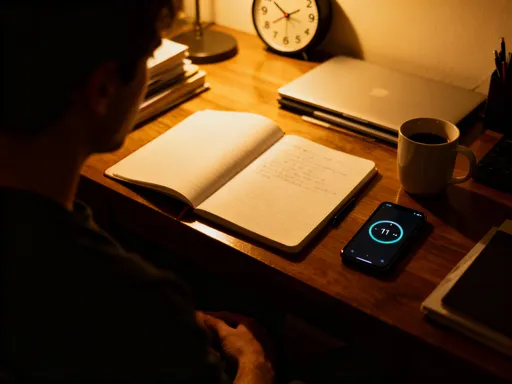
I’ll admit, I was nervous the first time I turned on my phone’s screen time tracker. It felt a little like stepping on a scale after avoiding it for months—what if the number was worse than I thought? But I committed to a full week of honest tracking, no judgment, no deleting and restarting. Just raw data. And what I saw surprised me—and not just because of the total hours.
I was averaging nearly four hours a day on my phone. Four hours. That’s more than the time I spent cooking, cleaning, or even talking to my family in a typical day. But even more revealing than the total was the breakdown. Social media apps were the biggest culprits, especially in the evenings. I’d tell myself I was just unwinding, but the tracker showed I was spending 90 minutes a night scrolling—often long after I meant to stop. And the pick-up count? Over 80 times a day. Eighty. That meant I was touching my phone more than once every 10 minutes during my waking hours. No wonder I felt frazzled.
But the real eye-opener was the pattern. I saw that I reached for my phone during transitions—when I finished a task, when I felt bored, when I was waiting for something. It wasn’t just about entertainment; it was a reflex. My phone had become my default response to any quiet moment. And during stressful times—like when the kids were arguing or I had a deadline—my usage spiked. The data wasn’t just showing me screen time; it was reflecting my emotional state. When I felt overwhelmed, I scrolled. When I felt lonely, I checked messages. When I was tired, I watched videos to stay awake. The screen wasn’t the problem—it was a symptom of something deeper. And seeing it in black and white made it impossible to ignore.
Small Shifts, Big Awareness: What the Tracker Taught Me About Myself
Once I had the data, I stopped blaming the phone and started asking better questions. Why was I spending so much time on certain apps? What need were they filling? And what could I do instead? The tracker didn’t give me answers, but it gave me awareness—and that was the first step toward real change.
I realized that a lot of my screen use wasn’t about connection or information. It was about escape. When I was overwhelmed with chores, I’d open a social app to give my brain a break. When I felt isolated during the day, I’d check messages hoping someone had reached out. When I was bored, I’d scroll without even knowing what I was looking for. My phone had become my go-to coping tool, even when it wasn’t helping. In fact, it was making things worse—because after 30 minutes of scrolling, I’d feel guilty, behind, and even more tired.
But once I saw the pattern, I could start to break it. I began to notice the triggers. That restless feeling when I finished folding laundry? That was my cue to pick up the phone. The quiet moment after the kids went to bed? That’s when I’d automatically open YouTube. Instead of fighting the habit, I started replacing it. When I felt that urge to scroll, I’d pause and ask myself, “What do I really need right now?” Sometimes it was a glass of water. Sometimes it was a stretch. Sometimes it was just five minutes of quiet with my eyes closed. Other times, it was calling a friend or picking up a book. The tracker helped me see that my phone wasn’t the source of my stress—it was my response to it. And once I understood that, I could choose a different response.
This shift wasn’t about willpower. It was about compassion. I wasn’t failing because I lacked discipline; I was reaching for my phone because I was tired, busy, and craving a moment of relief. And that’s okay. But now, instead of reaching for the screen, I could reach for something that truly refilled me—like a walk around the block, a few pages of a novel, or a conversation with my husband without distractions.
Redesigning My Relationship with the Screen: Tools That Actually Helped
Armed with awareness, I started using the built-in tools on my phone to support, not shame, my goals. I didn’t want to go cold turkey—life is too busy for that. Instead, I looked for gentle, sustainable changes that fit into my real life.
The first thing I did was set app limits for social media. I picked a realistic number—45 minutes a day—and let the phone remind me when I was close to my limit. At first, I’d hit the limit and feel frustrated, but then I’d get that notification: “You’ve reached your limit for Instagram. Want to extend?” And in that moment, I had a choice. Do I really want to keep scrolling, or is it time to do something else? More often than not, I chose to close the app. That little pause made all the difference. It wasn’t about punishment; it was about intention.
I also started using focus modes. I set one for bedtime—starting at 8:30 p.m.—that silenced non-essential notifications and dimmed the screen. I paired it with a routine: phone on airplane mode, placed in another room, and a book on my nightstand. At first, I’d miss it—my hand would twitch, wanting to check one last thing. But within a few days, I started looking forward to that quiet time. My sleep improved. My mind felt calmer. And I stopped waking up with that groggy, overwhelmed feeling.
Another game-changer was scheduling downtime. I set it for two hours in the late afternoon, when I used to scroll the most. During that time, only calls and essential apps were allowed. At first, I worried I’d miss something important, but I didn’t. Instead, I started using that time to sit with my daughter while she did homework, or to start dinner without distractions. The phone was still there, but it wasn’t in charge. These tools didn’t eliminate screen time—they helped me reclaim it. And the best part? I didn’t feel deprived. I felt empowered.
From Control to Freedom: When Less Screen Time Felt Natural
After a few weeks, something shifted. I stopped thinking about screen time as something I had to restrict and started experiencing it as something I could choose. The limits weren’t rules anymore—they were reminders of what mattered most to me.
I began to notice moments of presence that used to be lost. Like reading bedtime stories without checking my phone. My son would watch my face, waiting for reactions, and I was actually there to give them. Or finishing a work task earlier because I wasn’t jumping between emails and videos. Or sitting on the porch in the morning with a cup of tea, just watching the birds, instead of starting the day with a flood of notifications.
The biggest change was internal. I didn’t feel guilty anymore. I didn’t feel behind. I felt in control. And that confidence spilled into other areas of my life. I started saying no to things that drained me. I made time for hobbies I’d forgotten—like painting and gardening. I felt more patient with my kids, more present with my husband, more connected to myself. It wasn’t because I was doing more. It was because I was doing less—less reacting, less scrolling, less rushing. My phone was still part of my life, but it wasn’t running it.
And the best part? The change felt natural. I wasn’t forcing myself to be screen-free. I was simply choosing differently—because I could see the value of being present. The tracker didn’t just show me my habits; it helped me build new ones, ones that aligned with how I wanted to live.
A Calmer Home, A Clearer Mind: The Ripple Effects Beyond Me
What I didn’t expect was how this shift would affect my whole family. At first, I kept it to myself—just making small changes quietly. But soon, my kids noticed. “Mom, you’re not on your phone at dinner,” my daughter said one night. “It feels nicer.” That simple comment made me realize how much my habits shaped the atmosphere at home.
So I started talking to them about it—not to lecture, but to share. I told them I wanted to be more present, and I asked if they had ideas for screen-free time together. They lit up. We started having phone-free dinners three times a week. We began evening walks after dinner, just talking or listening to music. We created a “charging station” in the kitchen so phones weren’t in the bedrooms. And slowly, the house began to feel different—quieter, calmer, more connected.
My husband joined in, not because I asked him to, but because he saw the change in me. He started putting his phone away during family time too. We began having real conversations—about our days, our dreams, our worries—without interruptions. The tension that used to build from constant distractions started to fade. We laughed more. We listened better. We felt like a team again.
Technology didn’t disappear. We still used it for videos, music, and staying in touch with family. But now, it served us, not the other way around. It became a tool for connection, not a barrier. And that shift—from competition to collaboration—made all the difference.
Progress, Not Perfection: Making It Last Without Burnout
Here’s what I’ve learned: lasting change isn’t about hitting a number or never using your phone again. It’s about awareness. There are still days when I scroll more than I’d like. Days when I reach for the phone out of habit. But now, I notice it faster. I pause. I choose again. And that’s enough.
I stopped aiming for zero screen time and started celebrating small wins. Five minutes of uninterrupted play with my daughter? Win. Finishing a book because I put the phone down? Win. Sleeping through the night without checking messages? Huge win. I also started doing monthly check-ins with my screen time data—not to judge, but to reflect. What’s working? What’s not? What do I want to adjust? These check-ins keep me honest without making me feel like I’m on a diet.
The truth is, this journey isn’t about technology. It’s about values. It’s about deciding what kind of life I want to live and making small, daily choices that reflect that. The tracker was just the starting point. The real transformation happened in the moments between the screens—in the laughter, the quiet, the connection, the peace.
Today, I don’t just track my screen time. I track my presence. And what I’ve gained is far greater than a few saved hours. I’ve gained a calmer mind, a more joyful home, and a deeper sense of control over my days. I’m not perfect. But I’m present. And for me, that’s everything.