Tired of Missing Family Moments? How Fitness Tracking Keeps Us Connected
Life gets busy, and suddenly your child’s first steps or a shared morning walk become blurry memories. You’re not alone. Many of us struggle to stay present while juggling daily routines. But what if a simple tech habit could help you move more and preserve the moments that matter? I discovered that fitness tracking did far more than count steps—it brought my family closer, one routine at a time. It wasn’t about perfect numbers or elite workouts. It was about showing up, staying connected, and creating a rhythm that made us feel more like *us* again.
The Moment I Realized We Were Drifting Apart
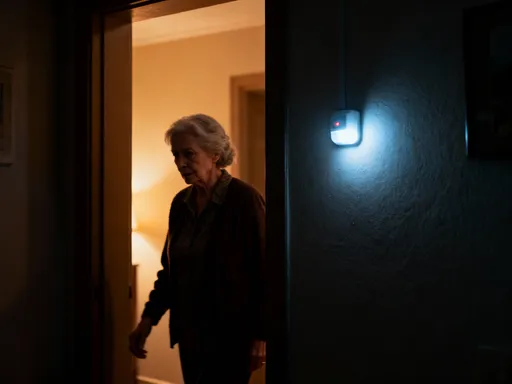
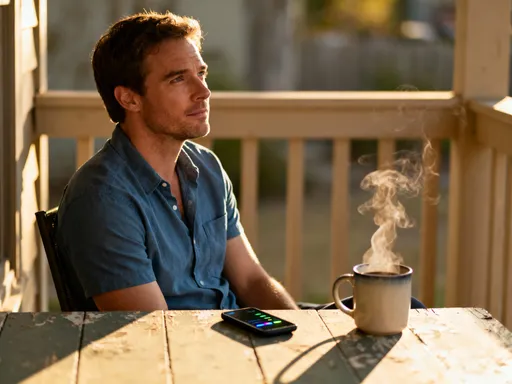
It was a quiet Saturday morning, the kind that used to mean pancakes, puzzles, and pajama cuddles. But that day, I looked around and felt a pang in my chest. My daughter was curled up with a tablet, my son had his headphones on, and my partner was scanning emails on their phone. I was sipping coffee, scrolling through a fitness app—ironically, one meant to help me feel more alive. We were all in the same room, but we weren’t together. There was no shared energy, no laughter, no eye contact. Just silence, broken by the occasional ping of a notification.
That moment hit me hard. We weren’t fighting. We weren’t unhappy. But we were drifting. Not because we didn’t love each other—we did, deeply—but because life had pulled us in different directions. Work deadlines, school projects, laundry, groceries, screen time. The days blurred together, and our family rhythm had faded into background noise. I missed the way we used to move through the day as a team, not just a collection of individuals sharing a roof.
I started wondering: what if we could build a new rhythm? One that didn’t add more to our plates, but helped us reclaim what mattered? I’ve always believed in the power of small habits to create big change. So I asked myself—what if we could move more, not just for our bodies, but for our bonds? What if a little tech could help us slow down, connect, and actually be with each other? That’s when I decided to try something simple: fitness tracking, not as a solo goal, but as a family practice.
How a Simple Step Counter Became Our Family Glue
I started small—just me, wearing a basic fitness tracker I’d bought months ago and mostly forgotten. I didn’t tell anyone I was doing it. But after a few days, my daughter noticed the little beep when I hit 5,000 steps. “Mom, why does your wrist cheer?” she asked. I laughed and explained how it counted my walking. She immediately wanted one. “Can I get a cheering wrist too?” she said, eyes wide. That’s when it clicked—this wasn’t just about me. It could be about us.
I showed her how the tracker worked, and we set a mini goal: 3,000 steps by dinner. We walked around the block, then danced in the living room to rack up a few hundred more. When the little vibration went off, she jumped up and down yelling, “We did it! We did it!” That night, she asked if we could do it again tomorrow. My son, who had been half-watching from the couch, muttered, “I could beat that number easy.” Challenge accepted.
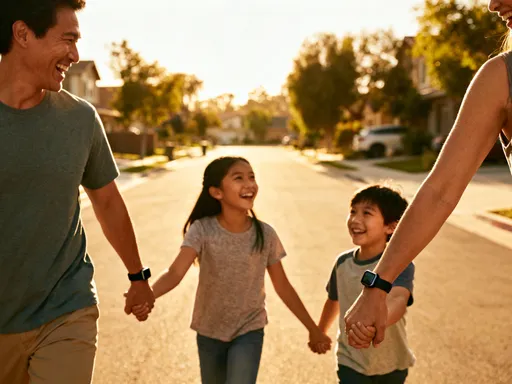
Within a week, we had a family step challenge going. We didn’t need fancy gear—just one shared device and a free app that let us log steps manually at first. We made up silly rules: “dance breaks” counted as steps, walking to the mailbox was a “quest,” and rainy days meant indoor obstacle courses. The tracker became a conversation starter, a reason to move, and—unexpectedly—a source of joy. We weren’t just counting steps. We were creating moments. My kids started reminding me to go for a walk. My partner joined in on weekends. And for the first time in months, we were all laughing at the same time, about the same thing.
Turning Daily Routines into Growth Records
One day, I opened the app and saw a photo I’d attached to a weekend hike—my daughter mid-laugh, covered in mud, holding a pinecone like it was treasure. I hadn’t just logged steps. I’d captured a moment. That’s when I realized our fitness tracker was becoming more than a tool. It was turning into a living scrapbook of our family life.
We started using the app’s journal and photo features intentionally. After walks, we’d snap a picture of the sky, the dog, or our mismatched socks. We’d add little notes: “First snow walk—slipped twice but laughed the whole way!” or “Dad told a terrible pun at mile two—everyone groaned.” Over time, these entries became more than data. They were memories in motion. I could look back and see not just how many steps we took, but how we grew.
My daughter, who used to shy away from physical activity, was now proudly showing off her step count. Her confidence climbed as her numbers did. I saw her stand taller, take the lead on hikes, and even encourage her brother when he wanted to quit. My son, who once rolled his eyes at anything “healthy,” started asking, “Can we do the flashlight walk tonight?”—our version of a nighttime adventure. The tracker wasn’t pushing them. It was reflecting their progress in a way they could see and celebrate.
And for me? I could look at our weekly charts and feel a quiet pride. Not because we were fitness stars, but because we were showing up. The numbers told a story of consistency, effort, and togetherness. On tough weeks—when someone was sick or work got overwhelming—the low step counts didn’t make us feel guilty. They reminded us that we’d had hard days, but we’d still tried. And that was enough.
Building a Rhythm That Sticks—Without the Pressure
Here’s the truth: we didn’t hit our goals every day. Some days, we barely moved. There were weeks when the tracker gathered dust on the nightstand. And that’s okay. The real magic wasn’t in perfection. It was in the gentle nudge to begin again.
The tracker didn’t scold us when we fell short. It just waited. And when we picked it up again, it celebrated with us—no judgment, no guilt. That changed how we saw movement. It wasn’t a chore. It wasn’t another item on the to-do list. It became our time. The time when we turned off screens, stepped outside, and just were.
Our routines grew naturally. Mornings started with “wake-up dances”—five minutes of shaking out the sleep while the kids made up ridiculous moves. “I’m a wiggly worm!” my daughter would shout, flopping on the floor. Evening walks became storytime under the stars. We’d take the long way home and trade stories—real ones, made-up ones, anything. “Once upon a time, there was a bear who loved peanut butter sandwiches…” my son would begin, and we’d all chime in with the next line.
The tracker helped us stay consistent, but it wasn’t the driver. The connection was. We didn’t do it because we “should.” We did it because we wanted to. Because we liked how it felt. Because we missed each other when we didn’t. The tech supported the habit, but the habit fed the relationship. And that made all the difference.
Tech That Understands Family Life, Not Just Data
Not all fitness apps are made for families. Some are too complex, too focused on calories, heart rate zones, or competitive leaderboards that feel more stressful than fun. We tried a few at first, and they didn’t work. One made my daughter cry because she “failed” to hit her goal. Another overwhelmed my son with numbers he didn’t understand. We needed something different—something that felt light, encouraging, and inclusive.
We eventually found an app that let us set shared goals, use simple icons instead of metrics, and keep data private. It had smiley faces for reaching milestones, badges with silly names like “Backyard Explorer” and “Rainbow Walker,” and a family dashboard where we could see our progress together. No pressure. No shame. Just celebration.
What I love most is how the tech faded into the background. It didn’t dominate our conversations or make us obsessed with numbers. Instead, it became a quiet companion—like a friendly reminder that said, “Hey, it’s a nice day. Want to go for a walk?” It respected our pace, our privacy, and our need for joy over precision.
And for me, as a mom who worries about screen time, it felt like a win. We were using a device, yes—but to get off screens and into the world. The same technology that often pulls families apart was, in this case, pulling us together. That felt like a small revolution.
From Steps to Stronger Bonds—The Unexpected Gains
We’ve definitely gotten healthier. Our energy is up. We sleep better. We’re more active without even trying. But the real wins weren’t physical. They were emotional. They were in the way my son now runs to me and says, “Can we walk and tell jokes today?” instead of asking for screen time. They’re in the way my daughter holds my hand a little tighter on our walks, like she’s savoring the moment.
My partner, who used to see fitness as a solo thing—early runs, quiet gym sessions—now joins our weekend challenges. He suggested turning one of his solo routes into a family picnic hike. “I realized I was missing you guys,” he said. “And I didn’t even know I was missing it until we started doing this together.” That hit me right in the heart.
The tracker didn’t create our connection. But it gave us a reason to prioritize it. It made our time together intentional. Instead of waiting for a vacation or a special occasion to reconnect, we built it into our days. We didn’t need a grand gesture. We just needed to move—side by side, step by step.
And in those moments, something shifted. We started noticing each other again. The way my daughter twirls when she’s happy. The way my son snorts when he laughs too hard. The way my partner smiles when the sun hits his face just right. We weren’t just moving our bodies. We were relearning how to be present. How to listen. How to enjoy the ordinary.
Starting Your Own Family Movement—Simple First Steps
You don’t need the latest gadget. You don’t need matching trackers or a subscription app. You don’t even need a device at all. What you need is the willingness to begin—and to do it together.
Start small. Pick one thing you can all do, every day or a few times a week. It could be a 15-minute walk after dinner. A dance party in the living room. A weekend adventure to a park you’ve never visited. Make it fun. Make it yours. Let the kids name it. “The Sunset Stroll,” “The Pancake Walk,” “The Great Backyard Expedition.”
If you want to use tech, choose something simple and positive. Look for apps that focus on encouragement, not criticism. That let you add photos, notes, and smiles. That feel more like a family album than a report card. Or go old-school—use a notebook, a calendar, or a jar where you drop a bead for every day you move together. The point isn’t the tool. It’s the togetherness.
And be kind to yourselves. Some days will be messy. Some days you’ll forget. That’s okay. The goal isn’t perfection. It’s presence. It’s showing up, even if it’s just for five minutes. It’s saying, “I’m here. I see you. I want to be with you.”
Because here’s the truth: our children won’t remember the spotless house or the perfectly planned meals. They’ll remember the walks, the laughter, the way you danced in your socks, the stories you made up under the stars. They’ll remember that you moved—literally and figuratively—toward them.
Fitness tracking didn’t change my family because of the steps. It changed us because it gave us a reason to reconnect, to slow down, and to move through life together. It turned everyday moments into living memories. And that’s a gift no app can measure—but one we can all create, one step at a time.