Beyond the Spreadsheet: How Tracking My Time Finally Made Me Feel in Control
Have you ever felt busy all day but ended up with nothing to show for it? I was there—juggling tasks, missing deadlines, and constantly stressed. Then I started quietly tracking how I spent my time, not with fancy tools, but with simple digital notes and reflection. It wasn’t about working more. It was about understanding myself better. What I discovered transformed not just my work, but my focus, my confidence, and even my peace of mind. This is how it changed everything.
The Breaking Point: When Busy Became Meaningless
It was a Tuesday morning, and I was already behind. I woke up late because I’d stayed up answering emails. My coffee spilled on the way out the door. I dropped the kids at school, ran to a meeting, then spent the next three hours responding to messages that kept piling up. By lunch, I hadn’t touched the project I’d promised myself I’d finish. And yet, I was exhausted. My shoulders were tight, my mind was foggy, and I felt like I’d been running a race with no finish line. That night, I looked at my to-do list—still half-empty—and something inside me snapped. I wasn’t lazy. I wasn’t incapable. I was just spinning in place, reacting to every ping, every request, every urgent-but-not-important demand. I realized I wasn’t managing my time. I was being managed by it. And the worst part? I kept putting off the one thing I truly cared about: learning. I wanted to grow, to read more, to feel sharp and capable. But every day, that intention got buried under the noise. That moment of frustration wasn’t just a bad day. It was a wake-up call. I didn’t need more hours in the day. I needed to see where the hours were going. And so, with no grand plan, I decided to start watching.
Starting Small: How I Began to Observe My Work Patterns
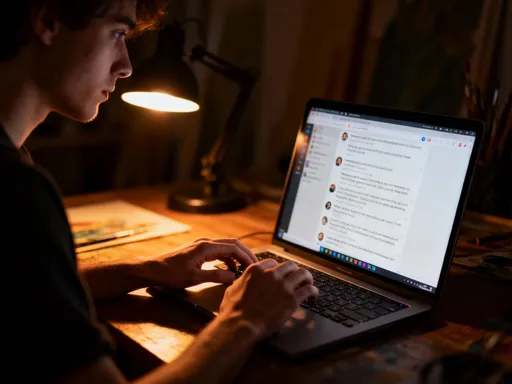
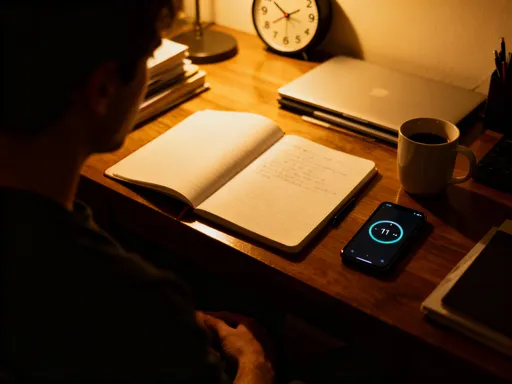
I didn’t want to overwhelm myself with another system. No complicated apps. No color-coded calendars. Just me, my phone, and a simple note titled 'Time Check.' Every hour, on the hour, I’d pause for 30 seconds and write down what I’d just spent the last 60 minutes doing. That’s it. 'Answered emails.' 'Called the plumber.' 'Scrolled news.' 'Worked on presentation.' At first, I forgot. Then I’d rush to log it five minutes late. But within a few days, it became a habit—like brushing my teeth or checking the lock on the front door. And what I saw shocked me. I thought I was spending hours working on important projects. But the truth? I was spending 20 minutes here, 15 there, constantly switching tasks. I’d open a document, get a notification, check my messages, then forget what I was doing. I lost entire blocks of time to what I now call 'digital drift'—those quiet moments when you’re not really doing anything, but your phone is in your hand and your attention is gone. The note wasn’t judging me. It wasn’t yelling 'You wasted time!' It was just showing me the facts. And slowly, that awareness started to change things. I began to notice patterns. I saw that my focus was sharpest in the first two hours after I dropped the kids. I noticed that after 3 p.m., I’d hit a wall and start scrolling mindlessly. And I realized that my 'quick check' of messages often turned into a 40-minute loop. For the first time, I wasn’t guessing how I spent my time. I was seeing it. And that small shift—from guessing to knowing—was the first real step toward control.
Seeing the Gaps: What the Data Revealed About My Learning Habits
After two weeks, I sat down with my notes and reviewed them like a detective. I wanted to see where my learning time was going. I had big goals—I wanted to improve my writing, understand personal finance better, and finally get comfortable with basic tech tools. I even blocked 'Learn' on my calendar twice a week. But the data told a different story. On days I’d written 'Learn' in my schedule, I often logged things like 'Watched short video' or 'Read article headline.' Sometimes, I’d open a book and get distracted by a text message, then never go back. Other times, I’d tell myself I was 'learning' while actually just browsing social media under the guise of 'research.' The gap between what I said I wanted and what I actually did was wide—and painful to see. But instead of beating myself up, something unexpected happened: I got curious. Why was it so hard to follow through? Was I too tired? Was the material too hard? Or was it just easier to consume quick, shallow content than to sit with something that required real focus? I realized technology wasn’t the enemy. My phone wasn’t evil. YouTube wasn’t out to get me. The problem was how I was using these tools. I was letting them decide my attention, instead of deciding for myself. That shift—from guilt to curiosity—changed everything. It wasn’t about being perfect. It was about being honest. And once I admitted where I was really spending my time, I could start making real changes. I didn’t need to work harder. I needed to work smarter—and with more self-awareness.
Tweaking My Tools: Matching Apps to Real Life, Not Hype
Once I understood my patterns, I started looking for tools that could help—but only if they fit my real life. I didn’t want something flashy or complicated. I wanted support, not more noise. So I tested a few apps, but only kept the ones that felt like helpers, not bosses. One of the simplest changes was using a basic timer app. Instead of trying to multitask, I set it for 25 minutes and said, 'This is for deep work. No messages. No email. Just this one thing.' When the timer went off, I’d take a five-minute break. It sounds small, but it created a rhythm. I wasn’t fighting my focus anymore—I was working with it. I also started using my calendar differently. Instead of just blocking meetings, I scheduled learning like it was a non-negotiable appointment. 'Read and reflect: 9:30–10:00 a.m., Tuesday and Thursday.' And I treated it with the same respect as a doctor’s visit. If someone asked to meet then, I’d say, 'I’m sorry, I have a commitment.' No drama. No guilt. Just boundaries. Another game-changer? Turning off non-essential notifications. I kept alerts for texts from family and calls, but silenced everything else—social media, news apps, even email. At first, I felt anxious, like I was missing something. But within days, that feeling faded. I realized most of what I thought was 'urgent' could wait. These weren’t radical changes. But together, they created space. I wasn’t using technology to distract me. I was using it to protect my time and attention. And that made all the difference.
Building Rhythm: Creating Daily Rituals That Stick
With the right tools in place, I focused on building small, sustainable habits. I didn’t want rigid rules that would break the first time life got messy. I wanted flexibility with structure. So I started with just two tiny rituals. First: 15 minutes of focused reading every morning before lunch. I’d put my phone on 'Do Not Disturb,' open a book or article, and just read—no notes, no pressure to remember everything. Second: every Sunday night, I’d journal three things I’d learned that week. Not a long list. Just three. These weren’t about achievement. They were about awareness. Over time, something beautiful happened. These moments stopped feeling like chores. They became something I looked forward to—like a warm cup of tea or a quiet walk. My phone reminders didn’t feel like nagging. They felt like a kind friend saying, 'Hey, don’t forget—you wanted to grow.' I also learned to be gentle with myself. If I missed a day, I didn’t punish myself. I just started again the next day. The goal wasn’t perfection. It was consistency. And slowly, that consistency built momentum. I began to trust myself. I knew that even on chaotic days, I could still protect a few precious minutes for what mattered. That sense of reliability—both with my time and with myself—became a quiet source of strength.
Growth in Plain Sight: How Small Changes Fueled Bigger Confidence
After a few months, I looked back and realized something surprising: I’d finished three books—something I hadn’t done in years. I’d applied new ideas at work, like using simple templates to save time on reports. I’d even started a small personal project—organizing a community book club—because I finally felt like I had mental space to care about things beyond survival. But the biggest change wasn’t what I’d done. It was how I felt. I was calmer. More present. Less reactive. When my kids asked for help with homework, I wasn’t half-listening while checking my phone. I was there. And that made our time together richer. I also noticed that my self-talk had changed. Instead of 'I’ll never get this done,' I started saying, 'I’ll take the first step.' That shift didn’t come from motivation. It came from proof. I had evidence—my notes, my calendar, my finished books—that I could follow through. That built self-trust. And self-trust is powerful. It doesn’t make life easier, but it makes you feel more capable of handling whatever comes your way. I wasn’t just managing my time better. I was becoming someone who could be counted on—by my family, by my work, and by myself.
A Life in Better Balance: Why This Was Never About Productivity Alone
Looking back, this journey was never really about doing more in less time. It wasn’t about squeezing every minute for maximum output. It was about becoming more aware, more intentional, and more kind to myself. By simply tracking my time, I learned to see my days not as a list of tasks, but as a reflection of what I truly value. When I protected time to learn, I wasn’t just 'being productive.' I was honoring a part of myself that wanted to grow. When I turned off notifications, I wasn’t just reducing distractions. I was making space for connection—with my kids, my partner, my own thoughts. Technology, when used with purpose, didn’t control me. It supported me. It became a tool for presence, not escape. And that’s the real gift. What started as a simple experiment in time tracking became a quiet revolution in how I live. I’m not perfect. Some days are still messy. But now, I have a way back—a way to reset, refocus, and remember what matters. And the best part? Anyone can start. You don’t need a fancy app or a perfect schedule. Just a note, a little honesty, and the willingness to see where your time really goes. Because when you do, you might just find—not more hours—but a fuller, calmer, more meaningful life.