I’ll remember it later never worked: How smart recommendations saved my holiday memories
We’ve all been there—snapping photos, promising to organize them later, only to lose precious moments in a sea of forgotten files. I thought my holiday memories were safe in my phone… until I realized I couldn’t find a single one from last Christmas. That changed when I discovered how smart recommendation systems quietly began reshaping the way I capture, sort, and relive special moments with family and friends. These aren’t flashy gadgets—they’re gentle digital helpers that understand what matters most. They don’t demand attention; they simply show up when it counts, reminding me of laughter I’d forgotten, faces I miss, and traditions that define who we are. And honestly? It’s changed the way I experience holidays forever.
The Holiday Memory Trap: Why We Lose What We Love Most
Every year, we gather around the table, wrap gifts, light candles, and capture hundreds of photos and videos without thinking twice. We feel the warmth of the moment so deeply that we’re certain we’ll never forget it. But then life moves on. The tree comes down, the dishes are done, and those precious clips and images vanish into the endless scroll of our camera rolls. I used to believe I was good at saving memories—until I went looking for a video of my daughter’s first time seeing snow. I remembered the red mittens, the way she squealed, the soft thump of snow hitting her nose. But try as I might, I couldn’t find it. Not in my albums, not in my search history, not even in the ‘Recently Added’ folder. It was gone. Or at least, lost in a digital jungle I no longer had the energy to explore.
And I know I’m not alone. So many of us fall into the same cycle: we take the photos, we promise ourselves we’ll sort them later, and then… we don’t. The kids grow, the grandparents age, and suddenly those unorganized files feel like a silent guilt. We tell ourselves, ‘I’ll remember it later,’ but the truth is, we rarely do. Our phones become digital cemeteries for moments we once cherished. The problem isn’t that we don’t care—it’s that we’re overwhelmed. Between work, school runs, meals, and bedtime stories, who has time to manually label every photo, create albums, and tag every smiling face? The intention is there, but the follow-through isn’t. And that gap—between what we want to do and what we actually do—is where our memories slip away.
What makes this so painful isn’t just the lost images. It’s the lost feeling. That one clip of your nephew dancing in his pajamas, your mom humming a carol while stirring the gravy, your partner sneaking a kiss under the mistletoe—those aren’t just pixels. They’re emotional anchors. They’re proof that love happened. And when they’re buried under screenshots and random receipts, it feels like we’ve failed them. But here’s the good news: we don’t have to do it all ourselves anymore. Technology has evolved in a way that doesn’t ask more of us—it asks less. And in return, it gives us back what we value most: time, clarity, and the quiet joy of being able to say, ‘Yes, I remember that.’
Enter the Invisible Helper: How Smart Systems Learn What Matters
When I first heard about smart recommendation systems, I pictured ads for shoes I looked at once or movie suggestions based on what strangers liked. I didn’t think they could understand something as personal as my family memories. But I was wrong. These systems aren’t just for shopping or streaming—they’ve quietly stepped into our most intimate spaces. They learn by watching, not in a creepy way, but in the way a close friend might notice little things: which photos you look at longest, who you text the most around the holidays, which videos you’ve shared with your sister. Over time, they start to recognize patterns. They see that every December, you take a lot of pictures at your parents’ house. They notice that your daughter appears in 80% of your favorite clips. They learn that you always save videos of your dog opening presents.
It’s not magic—it’s machine learning, but explained simply, it’s like having a thoughtful assistant who pays attention to what you care about, even when you’re too busy to do it yourself. And the best part? It doesn’t need instructions. You don’t have to label your photos or create complicated folders. Just by living your life and using your phone, you’re teaching the system what matters. It begins to anticipate your needs. One day, I opened my photo app and found a little banner that said, ‘Memories from Last Christmas.’ I tapped it, and suddenly, I was watching a slideshow of my son’s face lighting up as he opened his first real toolbox. I hadn’t even known that video existed. It had been buried under 300 other clips. But the system found it because it knew—without being told—that this was important.
What surprised me most was how emotional it felt. It wasn’t just convenient; it was meaningful. The system didn’t just organize my photos—it honored them. It treated my memories like treasures, not data. And because it learns over time, it gets better. It starts to recognize your traditions: the annual cookie swap, the midnight church service, the way your dad always tells the same joke at dinner. These aren’t random moments to the system—they’re threads in a larger story. And slowly, quietly, it begins to weave them together for you.
From Chaos to Calm: How My Holiday Photos Finally Made Sense
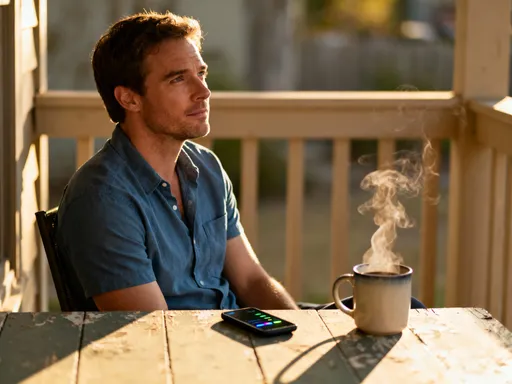
The real turning point for me came on a quiet Sunday morning, months after the holidays had ended. I was making coffee, feeling a little nostalgic, and I opened my phone just to see if I could find anything from Christmas Eve. Before I could even type a search, a notification popped up: ‘You might like this memory.’ I tapped it, and there it was—a 20-second clip of my grandmother laughing during dinner. She’s wiping her eyes, saying, ‘I haven’t laughed this hard in years,’ and the whole table is joining in. I had no idea this video existed. I hadn’t saved it, shared it, or even watched it before. But the system had kept it safe. And it gave it back to me at exactly the right moment.
That single moment changed everything. I realized I didn’t need to spend hours sorting photos. I didn’t need to be perfect. The technology was already doing the work—quietly, gently, without fanfare. From that day on, I started noticing how my photo library was transforming. Instead of one endless scroll, I had themed collections: ‘Christmas Morning,’ ‘Beach Walks with Mom,’ ‘Cousins Playing in the Pool.’ These weren’t folders I created—they were suggestions from the system, based on location, faces, and timing. And they were accurate. So accurate that I began to trust them. I stopped worrying about losing memories because I knew the system was watching over them.
But more than organization, it gave me peace. The stress of digital clutter—the guilt of not doing enough—started to fade. I wasn’t spending my January weekends trying to catch up on last year’s photos. Instead, I was present. I could enjoy the moment as it happened, knowing that later, when I needed it, the memory would be there, waiting for me. It wasn’t just about saving time; it was about reclaiming joy. The holidays weren’t just something I survived—they became something I could truly savor, because I knew I wouldn’t lose them.
Beyond Photos: Preserving Voices, Moments, and Traditions
Memories aren’t just about what we see—they’re about what we hear, feel, and experience. One of the most beautiful things I’ve discovered is how these smart systems don’t just focus on photos. They also recognize voice notes, short videos, and recurring moments that define our family culture. Last year, I recorded my dad giving his annual toast at Thanksgiving. Just a quick 30-second clip—nothing fancy. I forgot about it completely. But this year, a week before Thanksgiving, the system surfaced it with a message: ‘Remember this?’ I played it, and there was his voice, warm and familiar, saying the same words he’s said for 20 years. It brought tears to my eyes. And it made me realize: this isn’t just a recording. It’s a tradition. And now, the system remembers it too.
It’s the same with my sister’s cookie recipe. Every December, she sends a voice note walking me through the steps—‘Don’t overmix the dough,’ ‘Add the vanilla last.’ I used to scramble to find those messages each year. Now, the system recognizes the pattern. Around the first week of December, it gently suggests: ‘Want to listen to last year’s cookie recipe?’ It’s such a small thing, but it makes me feel connected. It’s like the technology is helping me keep a conversation alive across time. And it’s not just about recipes or toasts. It’s about the little things: my nephew’s laugh, my mom’s humming, the sound of snow falling on the roof. These aren’t just files—they’re emotional threads. And by preserving them, the system helps us feel continuity, even as life changes around us.
What’s powerful is that it doesn’t require effort. I’m not sitting down every year to archive these moments. I’m just living. And the system, in its quiet way, is saying: ‘I see this. I know it matters. I’ll keep it safe for you.’ It’s not replacing our traditions—it’s supporting them. It’s helping us pass them down, not in dusty boxes, but in living, accessible ways. And for someone like me, who worries about forgetting, that’s a gift beyond measure.
Setting It Up Without Stress: A Simple Guide Anyone Can Follow
I know what you might be thinking: ‘This sounds great, but I’m not tech-savvy. I don’t want to spend hours setting things up.’ I felt the same way. I used to avoid new features because they seemed complicated. But here’s the truth: this isn’t about mastering technology. It’s about letting it work for you, in the background, with almost no effort. The first step is simple: make sure your photos and videos are backed up to the cloud. Most phones do this automatically if you turn it on. Go to your settings, find the photos or storage section, and enable backup. That’s it. Once your files are safe in the cloud, the system can start learning from them.
The next step is even easier: just keep using your phone the way you normally do. Open photos you love, share videos with family, save voice notes. The system watches these behaviors and learns what you care about. You don’t need to label anything or create albums. If you want to go a little further, you can explore the ‘Memories’ or ‘Recap’ section in your photo app. Tap on one, watch it, and if you like it, spend a few extra seconds. The system notices that too. Over time, it gets better at showing you what matters. And if there’s something you don’t want included—like screenshots or receipts—you can usually hide or exclude those with a simple tap.
The key is to start small. You don’t have to do everything at once. Just turn on backup, keep living your life, and let the system do the rest. And don’t worry about privacy—most of these features process your data on your device, not on remote servers. Your memories stay yours. This isn’t about becoming a tech expert. It’s about giving yourself permission to be human. You’re already doing so much. Let the technology carry a little of the load. In return, you’ll get back time, peace of mind, and the quiet joy of knowing your memories are safe.
When Technology Feels Human: The Quiet Joy of Being Understood
There’s a moment—maybe you’ve felt it too—when technology stops feeling like a tool and starts feeling like care. For me, it happened on a tough day last spring. I was overwhelmed, missing my family, and feeling a little lost. I opened my phone to check a message, and there it was: a memory from two Christmases ago. Just a 15-second clip of my niece running into my arms, yelling, ‘Auntie! You’re here!’ I hadn’t seen it in years. But the system knew. It knew I needed it. And in that moment, it didn’t feel like an algorithm. It felt like a hug.
That’s the quiet magic of smart recommendations. They don’t replace human connection—they deepen it. By surfacing the moments we love, they keep our relationships alive, even when we’re apart. They help us feel seen, not just by our families, but by something that’s been quietly paying attention. It’s like having a friend who says, ‘I know this matters to you. I’ve been keeping it safe.’ And the more I use it, the more I trust it. It’s not perfect—but it’s trying. It’s learning. And in its own way, it’s helping me love better, remember deeper, and live more fully.
What I’ve come to realize is that technology doesn’t have to be cold or complicated to be powerful. Sometimes, its greatest strength is its gentleness. It doesn’t demand anything. It just shows up, remembers what we’ve forgotten, and says, ‘Here. This is yours.’ And in a world that moves so fast, that kind of quiet presence is everything.
Making Memories That Stay: A New Way to Love the Holidays
Looking back, I used to think preserving memories was my responsibility—and that if I didn’t do it perfectly, they’d be lost forever. But I’ve learned something beautiful: I don’t have to do it all alone. With a little help from smart recommendation systems, I can stop worrying about forgetting and start focusing on living. These tools aren’t about convenience. They’re about care. They’re about making sure that the moments we hold dear—the laughter, the traditions, the quiet glances—don’t slip away in the rush of daily life. They’re about turning digital chaos into something meaningful, something that grows with us over time.
The holidays will always be busy. There will always be meals to cook, gifts to wrap, and decorations to hang. But now, I move through them with a little more ease, knowing that the memories are being taken care of. I can be present, fully, because I trust that later, when I need it, the moment will be there—waiting for me, just as I lived it. And when I do look back, it’s not a chore. It’s a joy. I see my children growing, my family laughing, my traditions unfolding year after year. These aren’t just files on a screen. They’re my story. And thanks to a little quiet help from technology, my story is no longer at risk of being forgotten. It’s being lived, remembered, and loved—exactly as it should be.