How I Mastered the Rhythm of Investing While Planning My Will
What if the way you invest today could quietly shape your legacy tomorrow? I never thought about it until I started planning my will—and realized my portfolio was out of sync with my long-term vision. It wasn’t just about dividing assets; it was about timing, flow, and intention. That’s when I discovered the power of investment rhythm. Here’s how aligning my money moves with my estate plan changed everything.
The Wake-Up Call: Why Will Planning Exposed My Financial Blind Spot
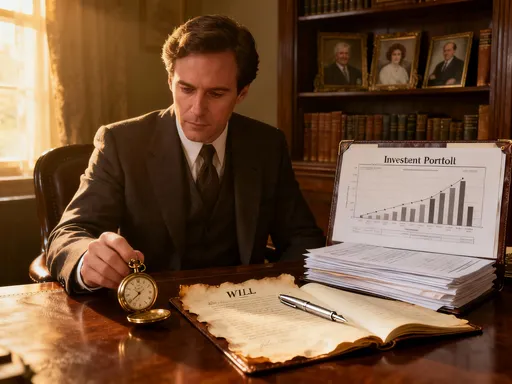
For years, I believed that estate planning was simply a legal formality—something to check off a list later in life. I assumed it meant choosing who would inherit my home, naming guardians for my children, and signing documents with a notary. But when I finally sat down with a financial advisor to draft my will, I was surprised to learn that the conversation wasn’t just about beneficiaries. It was about timing, liquidity, and the long-term behavior of my investments. My advisor asked questions I hadn’t considered: When do my assets mature? Are they easy to divide among heirs? What kind of tax burden might they carry? I realized my portfolio was a collection of random decisions made over decades—some aggressive, some cautious, many reactive—without a unifying strategy. Some accounts were growing too slowly, others were overly exposed to market swings, and a few were tied up in assets that couldn’t be easily accessed or sold. The lack of coordination wasn’t just inefficient—it could create real hardship for my family later.
This moment was a wake-up call. I had focused so much on growing my money that I hadn’t thought about how it would be passed on. I wasn’t alone. Studies show that nearly 60% of adults in the United States don’t have a will, and even among those who do, many haven’t aligned their investment strategy with their estate goals. The result is often confusion, delays, and avoidable taxes. One common issue is holding too much in illiquid assets like real estate or private business interests, which can force heirs to sell under pressure or take on debt. Another is failing to account for required minimum distributions from retirement accounts, which can push heirs into higher tax brackets. By not planning the rhythm of my investments—when I bought, rebalanced, or withdrew—I had left critical gaps in my legacy plan. The realization was humbling, but also empowering. It wasn’t too late to make changes. I began to see that investing isn’t just about returns; it’s about preparation, foresight, and care for those who will come after me.
What Is Investment Rhythm—and Why It Matters More Than You Think
Investment rhythm is not a term you hear often, but it’s one of the most important concepts in long-term financial health. It refers to the consistent, intentional pattern with which you manage your investments over time. It’s not about picking the next big stock or timing the market perfectly. Instead, it’s about creating a steady cadence—regular contributions, disciplined rebalancing, and emotional control—that supports both growth and stability. Think of it like a heartbeat: irregular or too fast, and the system becomes stressed; steady and strong, and it sustains life over decades. A well-timed investment rhythm helps smooth out market volatility, reduces the risk of costly mistakes, and builds wealth gradually but reliably. Over time, this consistency compounds, not just in dollars, but in confidence and control.
Why does rhythm matter so much? Because most people invest emotionally. They buy when the market is high, driven by excitement, and sell when it drops, gripped by fear. This behavior—called timing risk—can severely undermine returns. Research from DALBAR, a financial services research firm, shows that the average investor underperforms the S&P 500 by several percentage points annually, largely due to poor timing decisions. In contrast, a rhythmic approach removes emotion from the equation. By contributing a fixed amount each month, regardless of market conditions—a strategy known as dollar-cost averaging—an investor naturally buys more shares when prices are low and fewer when they’re high. This simple habit reduces the average cost per share over time and increases long-term gains. Similarly, rebalancing a portfolio annually—selling assets that have grown too large and buying those that have lagged—ensures that risk levels stay aligned with goals. These actions may seem small, but their cumulative effect is powerful. They create predictability, which is especially valuable when planning a legacy. When investments grow steadily and are managed with discipline, the process of transferring wealth becomes smoother, more transparent, and less prone to conflict or error.
The Link Between Your Will and Your Portfolio’s Pulse
Your will and your investment portfolio are not separate entities—they are deeply interconnected. The way you manage your money directly affects how your estate will be settled. Consider this common scenario: a woman in her 60s has worked hard to save, with most of her wealth in a traditional IRA. She names her two children as equal beneficiaries in her will. But she hasn’t considered the tax implications. When she passes, the IRA must be distributed, and unless the children take careful steps, they could face large tax bills. If they need cash quickly, they might be forced to withdraw more than necessary, accelerating the tax burden. Meanwhile, the portfolio itself has not been diversified enough—over the years, she let her stock holdings grow unchecked, so now 70% of her assets are in a single sector. When the market dips, the estate loses significant value just when it’s needed most. This is not a failure of intent, but of rhythm. The timing and structure of her investments didn’t support her estate goals.
Another example involves real estate. A couple owns a vacation home they’ve held for decades. They want to leave it to their children, but they haven’t planned for the costs of maintenance, property taxes, or potential disagreements about usage. Without clear instructions or funding for upkeep, the property may become a burden rather than a gift. In some cases, siblings are forced to sell because they can’t agree on what to do. These outcomes aren’t inevitable. They can be avoided by aligning investment decisions with estate planning. For instance, gradually shifting from high-risk assets to more stable, income-generating investments as retirement approaches can improve liquidity and reduce volatility. Setting up trusts, designating payable-on-death accounts, or using life insurance to cover potential tax liabilities are all ways to support a smoother transition. The key is to view investing not just as a tool for personal growth, but as a foundation for legacy. When your portfolio has a clear rhythm—when you know why you own what you own, and when you plan to use or transfer it—you give your heirs not just assets, but clarity and stability.
How to Build a Rhythm That Fits Your Life—and Your Legacy
Creating a sustainable investment rhythm starts with self-awareness. You need to understand your current financial position, your long-term goals, and your emotional tendencies. The first step is to establish a realistic contribution schedule. If you’re still working, automatic transfers from your paycheck to investment accounts can ensure consistency. Even small amounts—$100 or $200 a month—can grow significantly over time thanks to compound interest. The goal is not perfection, but persistence. Missing a month isn’t a failure; giving up is. Over decades, regular contributions can build a substantial nest egg without requiring dramatic lifestyle changes.
Next, align your risk level with your life stage. In your 30s and 40s, you can afford to take more risk because you have time to recover from market downturns. A portfolio weighted toward stocks makes sense during these years. But as you approach retirement, the rhythm should shift. You’ll want to gradually increase your allocation to bonds, dividend-paying stocks, and other income-producing assets. This doesn’t mean abandoning growth, but rather balancing it with stability. A common rule of thumb is to subtract your age from 110 or 120 to determine your stock allocation—so at 60, you might aim for 50% to 60% in equities. This glide path helps protect your wealth when you need it most. Additionally, consider setting up a ‘liquidity ladder’—a series of short- and medium-term investments that mature at different times. This ensures you have access to cash when needed, without having to sell long-term holdings at an inopportune moment.
Finally, automate where possible. Technology makes it easier than ever to maintain discipline. Many brokerage firms offer tools that automatically rebalance your portfolio, reinvest dividends, or adjust contributions based on market conditions. Setting calendar reminders for annual financial check-ins can also help you stay on track. The idea is to build systems that support your rhythm, so you don’t have to rely on willpower alone. When these habits become routine, they create a foundation not just for your own financial well-being, but for the future security of your family. A thoughtful, well-paced investment life doesn’t end when you do—it continues to provide support, stability, and peace of mind for those you love.
Avoiding the Pitfalls: Common Mistakes That Break the Flow
Even with the best intentions, many people disrupt their investment rhythm without realizing it. One of the most common mistakes is panic-selling during market downturns. When prices drop, fear takes over, and investors sell to avoid further losses. But history shows that markets recover over time, and those who stay invested usually come out ahead. The 2008 financial crisis, for example, saw the S&P 500 lose nearly half its value. But within five years, it had not only recovered but gone on to new highs. Investors who sold at the bottom locked in their losses, while those who held on benefited from the rebound. Emotional reactions break the rhythm and undermine long-term success.
Another frequent error is overtrading. Some investors, especially those who follow financial news closely, feel the need to constantly adjust their portfolios. They buy on rumors, sell on headlines, and chase performance. But frequent trading increases costs—commissions, taxes, and bid-ask spreads—and often leads to worse results. Studies have shown that the most active traders underperform the market significantly. A rhythmic approach, in contrast, emphasizes patience and discipline. It accepts that markets move in cycles and that short-term noise should not dictate long-term decisions.
A third pitfall is making lump-sum investments based on emotion or speculation. For example, someone might inherit a large sum and feel pressured to ‘put it to work’ immediately, investing all at once in a single stock or sector. This concentration increases risk and ignores the benefits of dollar-cost averaging. A better approach is to deploy the funds gradually over time, maintaining the established rhythm. Similarly, failing to update beneficiary designations or ignoring changes in tax laws can create unintended consequences. These mistakes may seem minor at the time, but they can ripple across generations, affecting not just wealth, but family harmony. By staying aware of these common traps and committing to a steady, thoughtful approach, investors can protect both their financial health and their legacy.
Tools and Habits That Keep You on Track
Discipline is essential, but it’s easier to maintain when supported by the right tools and habits. One of the most effective tools is automation. Setting up automatic transfers from your bank account to your investment accounts ensures that saving becomes a regular habit, not a monthly decision. Many employers offer automatic enrollment in retirement plans, with contributions increasing each year—a feature known as auto-escalation. This simple mechanism helps people save more over time without feeling the pinch. Similarly, automatic dividend reinvestment allows your returns to compound without requiring any action on your part.
Another valuable tool is a financial calendar. Mark key dates such as annual portfolio reviews, tax deadlines, and beneficiary check-ins. Just as you wouldn’t skip a medical check-up, you shouldn’t neglect your financial health. Schedule a time each year—perhaps at the start of the new year or around your birthday—to review your investment performance, assess your risk tolerance, and ensure your estate documents are up to date. Life changes—marriage, divorce, the birth of a child, or the loss of a loved one—can all affect your financial plan. Regular reviews help you adapt without losing momentum.
Working with a trusted financial advisor can also provide structure and accountability. A good advisor doesn’t just pick investments; they help you stay focused on your long-term goals, especially during turbulent times. They can offer objective feedback, suggest rebalancing strategies, and help coordinate your investment plan with your estate plan. Even if you manage your own portfolio, periodic consultations can be invaluable. The goal is not to eliminate effort, but to make it sustainable. When your financial habits are built into your routine, they become second nature. And when your investment rhythm is strong, it becomes a source of confidence—not just for you, but for your family, who will one day inherit not just your assets, but your wisdom.
Building Something That Lasts: When Rhythm Becomes Legacy
In the end, investing is not just about numbers on a screen. It’s about values, care, and responsibility. When I look at my portfolio now, I don’t just see stocks and bonds—I see years of deliberate choices, small decisions made with intention, all moving toward a greater purpose. The rhythm I’ve built isn’t perfect, but it’s steady. It reflects my priorities: security, fairness, and long-term thinking. And now, my will isn’t just a legal document—it’s a reflection of that rhythm, a map that guides my family with clarity and compassion.
Legacy is not just what you leave behind. It’s how you prepare for it. A thoughtful investment rhythm turns assets into a source of stability, not stress. It ensures that wealth is not lost to poor timing, unnecessary taxes, or family disputes. It allows you to pass on more than money—you pass on peace of mind, a sense of order, and the knowledge that you cared enough to plan. For anyone who wants to build something that lasts, the lesson is clear: start early, stay consistent, and align your money with your values. Because when rhythm becomes legacy, your life’s work continues to serve those you love, long after you’re gone.